Security of Residential Estates
When it comes to security in residential estates, it is a lot more complicated than most people think it is. This is mainly because estates are managed as businesses would be managed.
An estate is a mixture of homes and a business; thus, it will be assessed as a business. Over the last 20 years, we have conducted numerous assessments on residential estates, and we have learned a lot about the security portfolio for these estates.
Technically,
We have seen more residential security profiles than most people in South Africa. With every security risk assessment Alwinco does on residential estates, we automatically cross-reference the security and the risks with other residential estates we have previously assessed.
To be completely honest, residential estates are far more complex than what the residences and the management are aware of. Numerous South Africans in residential estates still want to protect the estate, as we did in the early 1990s. Unfortunately, that way does not work.
Security has changed so much over the last 34 years that criminals have adapted and evolved with the changes we find in today’s security. Because crime and security have changed so much, so has the evidence we can present in court.
It is imperative to remember
The viewpoint the owners and management have over an estate is entirely different from what the criminal has.
Allow me to explain it this way.
Residents or management of a 200-unit estate want security without the inconvenience it brings, such as queues at the gate, fingerprint access, or collecting guests at the entrance. They would see the estate gate as follows: the gate should always be able to open and close quickly. They expect anyone driving on the premises to obey the speed limits. Keep the lawns in order, don’t want noisy neighbors, and the list goes on and on.
The criminal,
Alternatively, with 200 units, there are at least 200 flat-screen televisions, 400 cell phones, around 300 cars, and 400 bank cards.
Residential estate managers need to realize that the Featherbrooke case has opened the door to legal action against those in charge of the security portfolio. It is not only victims that ask the court for guidance, but the victim’s family and friends as well.
Please take note of the two types of Security Risk Assessments. Your security Risk Consultant will explain this in greater detail.
- The estate management asks what the opportunities were that led to crime and asks an independent security risk assessor to find the risk and fix it.
- Number two usually happens when something went wrong. This prompts family and friends to ask questions such as who makes the security decisions, what research has been conducted for security solutions, and who bears responsibility for any negligence.
On that note, I ask that you read through your risk assessment numerous times.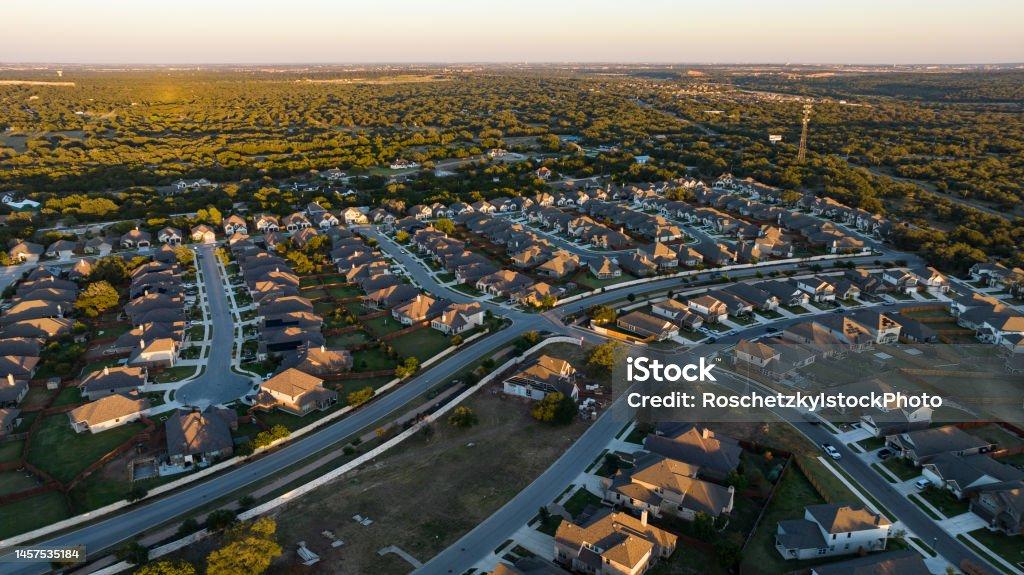
I have provided two links that I think you might like to read.
- https://securityriskassessment.co.za/2024/04/05/domestic-workers-and-estates/ the domestic ruling from the constitutional court.
- https://alwinco.co.za/2024/03/25/residential-estate-security/ is about a lady called Sonja who had a different experience with residential security.
Newsletter subscription
Should you wish to learn more about our services offered or want more information on security risk assessments, please send us an email or kindly visit our website security meetings and subscribe to our Newsletter.
Written by Andre Mundell Andre Mundell is an independent risk consultant and assessor at Alwinco.
Our security risk assessment projects are focused on the Gauteng Region, which includes Pretoria, Kempton park, Midrand, Sandton, and Faerie Glen. Additionally, we cover Bloemfontein, Bluff, and Hout Bay, to name a few.